If you’ve ever found yourself staring at shelves or scrolling through sites like ElementalNest.com or Joy Organics, trying to pick a CBD product, you’ve https://highstylife.com/do-gummies-work-better-because-you-actually-finish-them/ probably hit the same snag as many others: the front-label milligrams (mg) don’t tell the full story. One bottle says 500 mg, another 1500 mg, and yet another claims 250 mg, all at wildly different prices and formats. How do you compare like with like? And what really matters beyond the headline numbers?
The Annoyance Factor: Why Most CBD Comparison Articles Miss the Mark
Most CBD product comparisons start with absorption charts or declarations of bioavailability percentages—as if that’s the whole game. But here’s the kicker: if you don’t use the product consistently because it tastes awful or is hard to measure, the theoretically "better" product does nothing for you. User adherence beats lab numbers every time.
Let’s talk about what really matters when comparing CBD — from the critical math of cost per serving, to format friction (is your dropper leaking all over your nightstand?), and why adding a little fat to your routine can make your drop truly work harder.
Step 1: Understand Milligrams per Serving – Compare Like with Like
CBD products often trumpet a total mg number on the front label. This figure generally means how many milligrams of CBD are present in the entire bottle or package. But the story unfolds further when you look at the serving size.
For example:
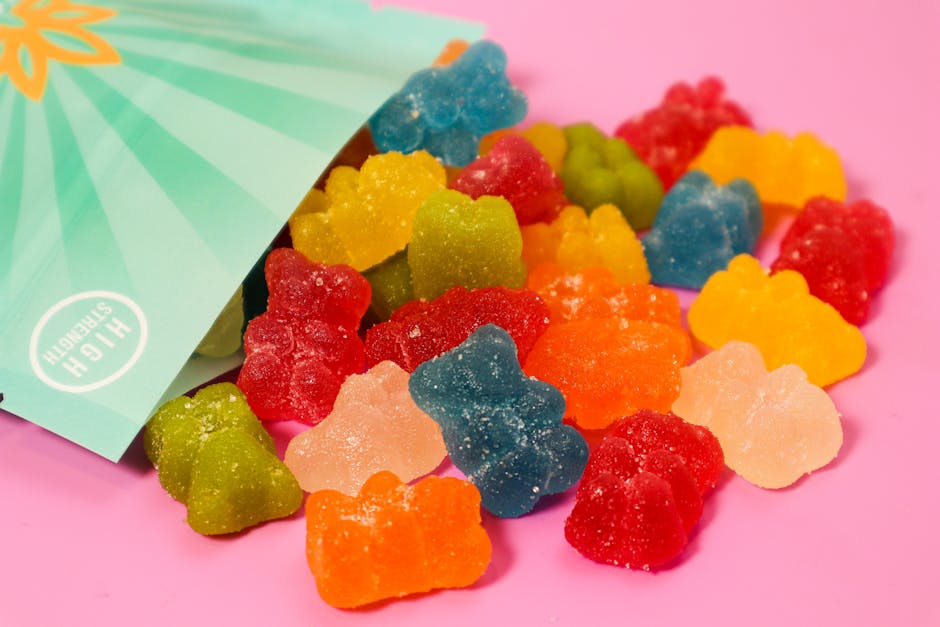
- One tincture bottle with 500 mg total CBD may hold 30 mL, with 1 mL = 16.7 mg CBD per serving Another may say 1500 mg total in 30 mL, or 50 mg CBD per mL A gummy pack with 250 mg total across 20 gummies = 12.5 mg per gummy
Always check the mg of CBD per serving, not just the total mg on the front. This is the “compare like with like” principle—because if you consume two gummies a day, that’s 25 mg/day; if you take 1 mL of tincture with 16.7 mg, your dosage and thus experience can be quite different.
Practical tip:
Elements like Elemental Nest clearly list mg per serving; use that to line up products accurately before considering price.
Step 2: Price per Serving Math – The Core of Smart CBD Buying
It’s tempting to pick the certificate of analysis COA product with the highest mg total or the lowest price tag, but that’s a trap. Your goal is to figure out what you pay each time you take your dose.
Product Total CBD (mg) Servings per Bottle Price Price per Serving Price per mg Tincture A 500 mg 30 $60 $2.00 $0.04 Tincture B 1500 mg 30 $120 $4.00 $0.08 Gummies 250 mg 20 $40 $2.00 $0.16How to calculate price per serving: price divided by number of servings.
How to calculate price per mg: total price divided by total mg (or price per serving divided by mg per serving).
In the example above, Tincture A is cheaper per mg and per serving, but if you need higher doses, that changes your actual cost and convenience.
Why this math matters:
When brands like Joy Organics post prices, they rarely advertise price per serving or mg. Doing your own math ensures you aren't overpaying for hype.
Step 3: Format Friction – The Silent CBD Routine Killer
Here’s where adherence beats theoretical efficiency. You can have the highest mg per serving, best price, and cleanest COA, but if the product frustrates you, it won’t last.
- Taste: Some tinctures have strong natural hemp flavors or use bitter carriers. If you hate them, you might skip doses. Measuring: Does the dropper leak or have inconsistent markings? Is it hard to squeeze out the exact amount? These annoyances add up and reduce consistent dosing. Travel handling: Can you toss your CBD product into a day bag or carry-on without spills? Gummies or capsules often win here.
For example, on social media communities and Facebook groups, many users cry foul over messiness from liquid tinctures vs. convenience of Joy Organics’ flavored gummies that taste better and are discreet.
Step 4: Onset Timing and Routes of Administration
How quickly CBD works depends on how you take it. This affects whether a high mg per serving product actually translates to a faster or stronger effect for you.
- Sublingual tinctures: Placing drops under your tongue allows CBD to absorb directly into mucous membranes, usually within 15-30 minutes. Edibles/gummies: These must pass through digestion, delaying onset to 60-90 minutes but often delivering longer-lasting effects. Capsules: Similar to edibles in timing and digestion variables.
If you’re selecting products purely by mg, remember that a 50 mg edible won’t hit as quickly as a 50 mg tincture taken sublingually. Adjust expectations accordingly.
Step 5: Bioavailability and Why Fat Helps Absorption
Bioavailability is the fraction of CBD that actually enters the bloodstream after consumption. Oral consumption has lower bioavailability (~6-20%) due to first-pass metabolism, whereas sublingual or inhalation increases this.
One quick trick: fat makes CBD work better. Since CBD is fat-soluble, taking your product with a fatty snack or oil-based carrier can improve absorption.
So if your CBD tincture comes with MCT oil, coconut oil, or avocado oil—as found in some high-quality products on ElementalNest.com—you not only get easier absorption but also a smoother experience.
Bonus: Use Facebook Groups and Community Reviews to Gauge Real-World Adherence
Community feedback on places like Facebook groups is pure gold. You’ll find people discussing not just efficacy, but packaging quality, flavor likes/dislikes, and how pricing translates to long-term use. Those discussions bridge gaps left by lab reports and COAs.
Summary: Your CBD Shopping Checklist
Check milligrams per serving, not just total mg on the bottle. This helps you compare like with like. Do price per serving math. Cost ÷ servings = actual cost per each use. Then double-check cost per mg to verify value. Consider format friction. How easy is it to measure, carry, and tolerate taste? Will you actually use it daily? Understand onset differences. Sublingual vs edibles changes how soon you feel effects. Look for fat-based carriers to improve bioavailability. Fat helps CBD absorb better. Lean on community wisdom. Facebook groups and reviews reveal adherence killers and hidden gems.Next time you’re comparing CBD brands or products—from trusted names like Joy Organics to new arrivals at ElementalNest.com—remember these practical steps. The goal isn’t just to buy the product with the biggest mg number or flashiest label. It’s to pick one you’ll actually use regularly, at a cost that fits your budget, and that delivers effects on your timetable.
Ready to shop smarter? Bookmark this guide and whip out your calculator before your next CBD haul—it’s the best way to separate hype from honest value.